


Fort Dodge Tire Guide for Snow, Rain, and Highway Miles
Fort Dodge drivers know how fast road conditions can change. A clear morning can turn into slush, blowing snow, or heavy rain before the drive home.
The right tires help your car stop shorter, track straighter, and use fuel more efficiently. The wrong set can make every commute noisier, less stable, and more stressful. Many shoppers start with a search for tires near me, but the better move is to match the tire to your real driving habits.
A trusted local dealership can make that choice easier, because fit, weather, and daily mileage all matter more than a catchy sales pitch.
What Fort Dodge drivers should look for before buying new tires
Before you compare brands, start with your routine. The best tire for a short in-town commute is often different from the best tire for long highway runs or early winter starts on slick roads.
Budget matters, of course. Still, price alone can mislead you. A cheaper tire that wears out fast, rides loud, or struggles in rain may cost more over time.
Match the tire to your main driving conditions
Snow, rain, and highway travel ask different things from a tire. Snow needs grip and flexibility in the cold. Rain needs channels that push water away. Highway driving rewards stability, low noise, and steady wear.
That means one tire rarely leads in every category. If your Ford SUV sees icy side streets all winter, winter traction should move up your list. If your F-150 spends most of its time on paved highways, comfort and tread life may matter more.
Check tread life, comfort, and noise
Tread life tells you how long a tire may last under normal use. However, longer life can come with tradeoffs. Some long-wearing tires feel firmer or give up a bit of snow grip.
Comfort also matters more than many buyers expect. If you spend hours on U.S. highways each week, road noise adds up fast. A quieter tire can make daily driving feel less tiring, especially in a pickup or larger SUV.
The best tire types for snow, rain, and highway miles
Most Fort Dodge drivers are choosing between three main categories. Simply put, choose the tire that fits your hardest driving days, not your easiest ones.
Winter tires for the coldest, snowiest days
Winter tires use softer rubber, so they stay flexible when temperatures drop. They also have deeper tread patterns and extra biting edges, which helps on packed snow, slush, and icy pavement.
For Fort Dodge drivers who leave early, drive rural roads, or face regular winter storms, winter tires are the safest option. Braking and cornering feel more controlled when the road turns slick. If you drive before sunrise in January, winter grip matters more than a long treadwear promise.
There is a tradeoff. Winter tires wear faster once the weather warms up, and they usually work best as a seasonal set. If you can store a second set, they offer the most confidence in real Iowa winter weather.
All-season tires for everyday Iowa driving
All-season tires are the middle ground. They handle wet roads well, ride comfortably, and can manage light snow better than summer-focused tires.
For many Fort Dodge drivers, that balance is enough. If your roads are plowed quickly and you don't drive through every storm, one good set of all-season tires can make sense.
Still, all-season doesn't mean all-weather mastery. In deep snow or on ice, they can't match true winter tires. They are built for broad usefulness, not maximum cold-weather grip.
Touring and highway tires for long trips and daily commutes
Touring and highway tires are a smart fit for drivers who pile on miles. They are made for a smooth ride, lower road noise, and longer tread life.
If your route is mostly pavement and steady-speed travel, these tires often feel more settled than aggressive all-terrain or winter designs. Wet-weather performance is usually solid, and mild snow handling can be acceptable with the right model.
They are not the first choice for repeated snowstorms, though. If winter is your biggest challenge, look elsewhere. If comfort, fuel economy, and long highway days lead the list, these tires are often worth a close look.
How to compare tire features without getting overwhelmed
The sidewall has a lot of numbers and letters, but only a few details shape your day-to-day driving.
Tread pattern, rubber compound, and traction ratings
Tread pattern affects how the tire moves water and slush away from the contact patch. Wider grooves often help in heavy rain, because they lower the risk of hydroplaning.
Rubber compound matters most in cold weather. Softer winter compounds stay more flexible, while harder compounds usually last longer in warmer conditions. If winter ability is a priority, look for the three-peak mountain snowflake symbol on tires built for severe snow service.
Traction ratings also help, especially for wet-road confidence. They aren't the whole story, but they give you another clue when two tires seem similar on paper.
Size, speed rating, and load rating matter more than you think
Always match tire size and ratings to your vehicle maker's recommendation. You can usually find that on the driver's door sticker or in the owner's manual.
The wrong size can affect braking, handling, and even the speedometer reading. A lower load rating can also be a bad match for heavier SUVs or trucks, especially if you carry gear, tools, or passengers often.
Why buying tires from a local dealership can make the process easier
Local help saves time because you don't have to guess your fitment, compare endless options, or hope the installer catches a problem later. A good dealership team can match the tire to your vehicle and the roads you drive most.
Professional guidance, installation, and balancing
Proper installation matters as much as the tire itself. Mounting, balancing, and correct inflation all affect ride quality, tire wear, and safety.
A dealership service department can also check for alignment issues, worn suspension parts, or uneven wear patterns. That extra set of eyes can help your new tires last longer and perform the way they should.
Convenience for drivers who want tires nearby fast
When weather turns quickly, local access matters. You want the right tire soon, not after a week of second-guessing online listings.
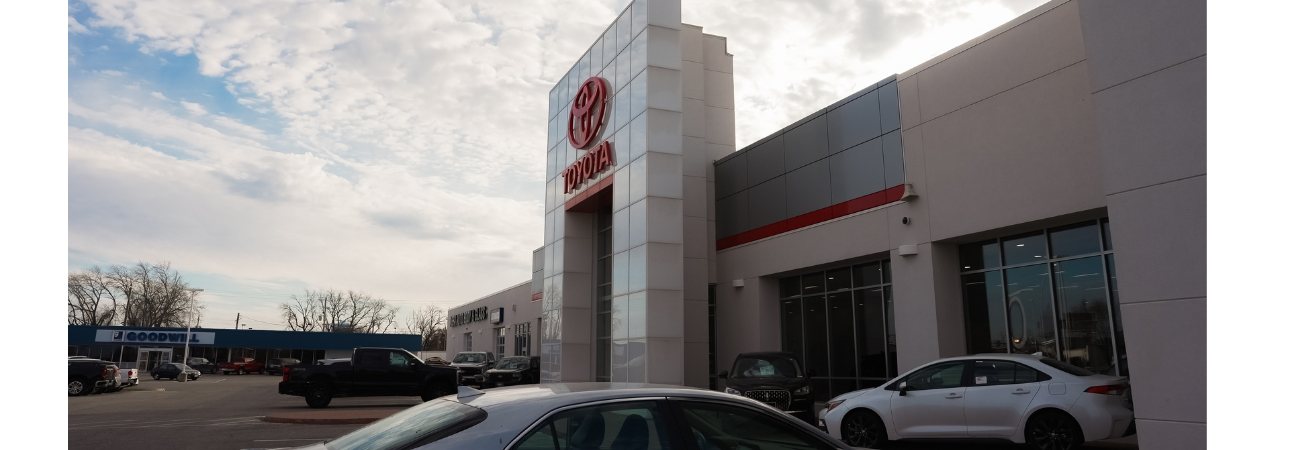
For Toyota owners in Fort Dodge, it's easy to find new tires for your Toyota and get them mounted and balanced to factory specs. That kind of support makes tire shopping less stressful and helps keep your car safer on wet, snowy, or high-mile roads.
Choose the tire that fits your Fort Dodge miles
The first storm or heavy rain is a bad time to learn your tires were the wrong match. Your best choice depends on how often you face snow, how much highway driving you do, and how much ride comfort matters to you.
When you pick the right tire, you gain more than grip. You get better control, a quieter ride, and stronger long-term value. Local dealership guidance can make that decision easier, faster, and a lot more confident.