


RAV4 Hybrid vs Highlander Hybrid: Family Fit Guide

A growing family can outgrow an SUV faster than expected. The Toyota RAV4 Hybrid costs less and feels easier to handle, while the larger Toyota Highlander Hybrid offers more passenger space.
In this family SUV comparison, your usual passenger count matters more than a single brochure number. Car seats, stroller size, weekend travel, the infotainment system, and monthly payment all shape the right answer. Start by choosing the hybrid SUV that fits your family’s real routine.
Key Takeaways
The Toyota RAV4 Hybrid is the better fit for families of five or fewer who prioritize fuel efficiency, easier parking, and a lower starting cost.
The Toyota Highlander Hybrid offers three rows and more passenger flexibility for larger families, carpools, grandparents, or growing children.
Cargo space changes significantly when the Highlander Hybrid's third row is in use, while the RAV4 Hybrid keeps its full cargo area available with five passengers.
Test both SUVs with your actual car seats, stroller, sports gear, and passengers before buying, and compare current trim pricing, safety features, infotainment systems, and ownership costs.
RAV4 Hybrid vs Highlander Hybrid: Which Family Needs Does Each One Meet?
The RAV4 Hybrid is a compact, two-row hybrid SUV with seating for five. It fits families who want efficiency, a manageable size, and room for daily essentials. Its shorter length also helps around school pickup lines, tight grocery lots, and home garages.
The Toyota Highlander Hybrid is a larger midsize model with three rows. Its additional passenger space can help families who regularly carry extra children, grandparents, or friends. The larger cabin may also improve interior comfort on longer trips.
For a useful current reference, the 2025 RAV4 Hybrid has an EPA-estimated 39 mpg combined rating. Toyota lists the 2024 Highlander Hybrid at up to an EPA-estimated 36 mpg combined for front-wheel-drive trims. These are EPA fuel economy estimates, not a same-year, same-configuration comparison. The combined MPG ratings still illustrate the practical efficiency difference between the two sizes.
Both rely on Toyota's hybrid powertrain technology, while output and equipment can vary by configuration. All-wheel drive availability also varies by trim. Horsepower should be verified for the specific model and trim you are considering.
Safety features vary by trim and model year. Check for equipment such as adaptive cruise control before buying. A test drive can also reveal differences in visibility, ride quality, and road noise. Compare each infotainment system and touch screen for layout, responsiveness, and ease of use. Exact pricing, equipment, and ratings can change across trim levels. Compare current listings and window stickers rather than relying on an older trim guide.
Why the RAV4 Hybrid Works Well for Families of Five or Fewer
The RAV4 Hybrid suits parents who usually carry one or two child seats and don't need extra seating. Its rear seat can handle everyday family use, while the cargo area has room for groceries, a folded stroller, backpacks, and sports gear.
Because it is smaller, the RAV4 Hybrid often feels less stressful in town. Parking, lane changes, and drive-through errands take less effort than they do in a larger three-row SUV.
The lower purchase price can also matter. Families can put that difference toward insurance, child gear, travel, or savings.
When the Highlander Hybrid's Third Row Makes a Real Difference
The Highlander Hybrid makes sense when the second row is already full. Three or more children, recurring carpools, visiting relatives, and older kids who want their own space can make the extra seating more than an occasional convenience.
However, using all seats reduces available cargo room. Before deciding, install your actual car seats and have family members sit in every row. A usable third row should be comfortable enough for the people who will ride there most often. A third row can solve a seating problem, but it can create a packing problem when every seat is filled.
Compare Cargo Space, Car Seats, and Third-Row Flexibility Before You Buy
Brochure measurements are useful, but they don't tell you whether your stroller clears the liftgate. They also won't show whether a rear-facing seat reduces front-passenger rear leg room. The RAV4 Hybrid has about 37.6 cubic feet of cargo space behind its second row. With five people aboard, that two-row layout keeps the full cargo area available.
In comparison, the 2024 Highlander Hybrid has about 16 cubic feet behind its third row. Folding those seats opens far more cargo capacity, but then the SUV functions as a two-row vehicle. Its larger body provides more passenger room, yet fully loaded trips still require careful packing.
Second-row space deserves the same attention. Check door openings, seat height, floor height, and LATCH anchor access. Also consider passenger space and interior comfort, including whether the second row slides or folds with child seats installed.
The Car-Seat and Stroller Test Every Parent Should Do
Bring the gear that makes your weekday routine work. A quick dealership test should include:
Your largest rear-facing car seat and any booster seats.
The stroller, diaper bag, and a typical sports bag.
Front-seat adjustment with the rear-facing seat installed.
Access to the back seats for children who may need to climb there.
The cargo hatch closing without moving bags or removing wheels from the stroller.
The infotainment system and touch screen, including reach, glare, and ease of use from the driver's seat.
Road noise, LATCH anchors, and the safety features you expect to use regularly.
A vehicle's stated seating capacity doesn't always equal comfortable family space. Spend time using the infotainment system with passengers and gear in the cabin. Ten minutes with your own equipment can prevent years of daily frustration.
Think About Cargo Space When All the Seats Are Occupied
Airport runs and holiday trips expose the biggest difference in the RAV4 Hybrid vs Highlander Hybrid comparison. The RAV4 Hybrid carries five people with a broad, usable cargo floor behind them. The Highlander Hybrid can carry more people, but cargo capacity shrinks sharply when all rear seats are in use.
Families who take frequent road trips should pack a typical load before buying. Roof racks and cargo carriers can help, but they should supplement a workable cargo area, not rescue an SUV that is too small for your needs.
Match the Hybrid SUV to Your Budget and Long-Term Ownership Plans
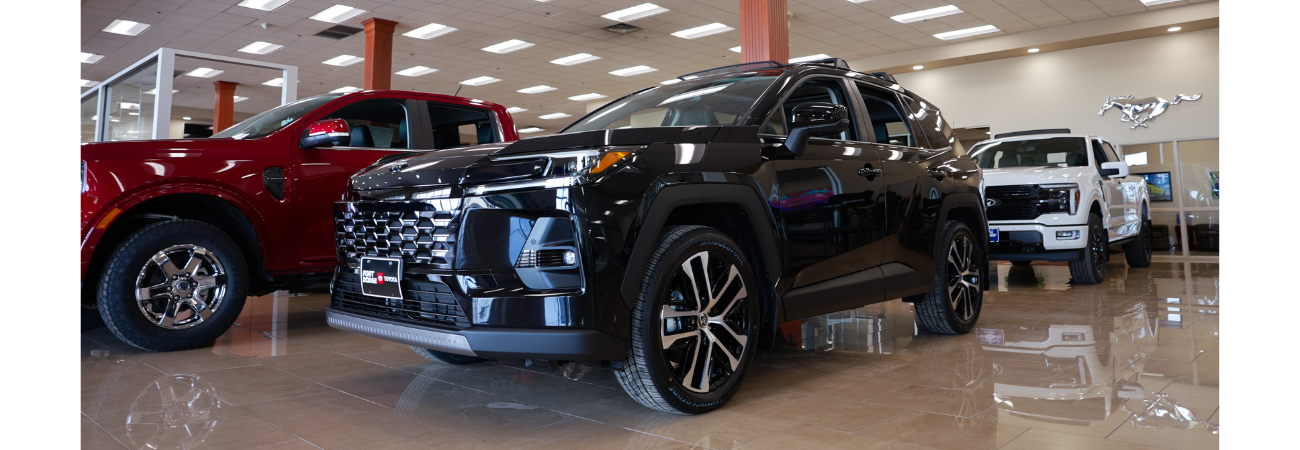
Starting MSRP is only the first number to compare. The Toyota RAV4 Hybrid usually has a lower entry cost, but local insurance, fuel, and tire costs may vary. Fuel economy can affect long-term spending, so review official EPA fuel economy figures before estimating household savings.
Both models use a hybrid powertrain, but equipment and ownership costs can change by configuration. Request local estimates for insurance, maintenance, replacement tires, and warranty coverage.
The Highlander Hybrid costs more because it is larger and offers more seating. That expense may be worthwhile if it prevents another vehicle upgrade in a few years. Compare trim levels, all-wheel drive configurations, and equivalent hybrid powertrain equipment. Review each infotainment system, touch screen, safety features, and sourced horsepower figures by trim.
An entry-level RAV4 Hybrid and a well-equipped Highlander Hybrid are not an apples-to-apples budget decision. Compare the baseline price and equipment before deciding which model offers stronger value.
If you tow, verify the configuration-specific towing capacity before buying. Ask for current local pricing, available Toyota incentives, finance terms, and trade-in values.
Choose the RAV4 Hybrid If Value and Efficiency Come First
Choose the RAV4 Hybrid if five seats cover your normal routine and you want easier parking. Its lower cost may leave more room in the household budget for insurance, maintenance, and the many expenses that come with children.
Choose the Highlander Hybrid If You Need Room to Grow
Choose the Highlander Hybrid if you expect to use a third row often. It is the stronger fit for larger families, frequent passengers, and trips where seating flexibility matters.
Higher equipment levels can change the value calculation, especially when a larger infotainment system or added convenience features are important to your family.
Still, don't pay for three rows that will rarely be used. A two-row RAV4 Hybrid may be the more practical choice when cargo space and daily driving ease matter most.
Frequently Asked Questions
Is the RAV4 Hybrid or Highlander Hybrid better for a family of five?
The RAV4 Hybrid is usually the more practical choice for a family of five or fewer. It costs less, is easier to maneuver, and keeps its cargo area available behind the second row.
Does the Highlander Hybrid have more cargo space than the RAV4 Hybrid?
The Highlander Hybrid offers more total space with its rear seats folded, but cargo capacity is limited when all three rows are occupied. The RAV4 Hybrid provides about 37.6 cubic feet behind its second row, making its cargo area more consistently useful for five passengers.
Is the Highlander Hybrid worth the higher price?
It can be worth the added cost if your family regularly needs a third row, carries extra passengers, or expects to grow. If you rarely use more than two rows, the RAV4 Hybrid may provide better value and lower ongoing expenses.
What should families test before choosing between these Toyota hybrids?
Bring your actual car seats, stroller, bags, and sports gear to confirm fit and access. You should also compare the infotainment system, touch screen, safety features, visibility, road noise, and configuration-specific fuel economy and towing ratings.
The Right Hybrid for Your Family
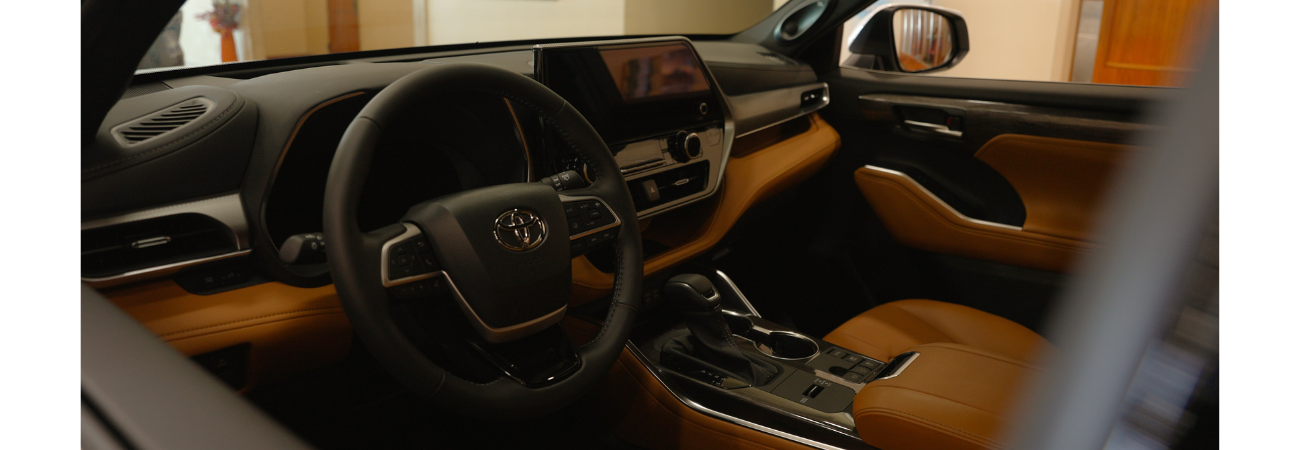
Your choice comes down to your family’s normal seating capacity and daily routine. The Toyota RAV4 Hybrid suits families of five or fewer who value efficiency, easier parking, and a lower budget.
The Toyota Highlander Hybrid is better for families that need a third row or expect their needs to grow. Bring car seats and cargo gear to assess cargo capacity, compare all-wheel drive and safety features, and test each infotainment system before choosing between these hybrid SUV options.