


Toyota Brake Pads and Rotors: Signs, Miles, Costs
A brake job is never convenient. If you drive a Toyota around Fort Dodge, it helps to know when brake pads and rotors usually need replacement, which warning signs matter, and what repair costs you can plan for.
Mileage is only part of the story. Your model, daily route, road salt, gravel, weather, and driving style can all change brake wear. Stay a little ahead of brake service, and you'll face fewer surprises and safer stops.
Toyota brake pads and rotors: the mileage range most drivers can expect
There isn't one mileage number that fits every Toyota. Still, most owners can plan around a normal range, then adjust for city traffic, towing, hills, and how much weight the vehicle carries.
The wide range surprises many drivers. Front brakes usually wear faster than rear brakes because they do more of the stopping work. Hybrid Toyotas can wear pads more slowly because regenerative braking reduces how often the friction brakes need to bite.
Toyota service intervals and routine brake checks matter more than chasing one exact number. A quick measurement during regular maintenance gives you a better picture of what the next few months may bring.
Typical brake pad life on Toyota cars, SUVs, and trucks
For many drivers, brake pads last about 30,000 to 70,000 miles. A Camry, Corolla, RAV4, Highlander, or Tacoma can all land somewhere in that span.
How you drive matters more than the badge on the hood. Short trips, frequent stops, aggressive braking, and packed cargo all build heat and wear pads faster. A long highway commute is easier on brakes, while in-town errands can cut pad life down fast.
Around Fort Dodge, winter grime and wet roads can add to the wear picture too. Regular inspections matter because pad thickness is hard to judge from the driver's seat. Local conditions matter, and these essential Toyota vehicle maintenance tips can help you stay on top of service in Iowa.
How long Toyota rotors usually last before replacement
Rotors often outlast pads, but they still wear down over time. Many Toyota rotors last about 50,000 to 100,000 miles, especially when pads are replaced before they get too thin.
Even so, some rotors need replacement much sooner. Heavy scoring, rust, heat spots, warping, or a rotor that measures below minimum thickness all shorten its life. Some drivers get two pad changes before rotors are needed, while others need rotors earlier because the surface no longer wears evenly.
Rotors can also wear unevenly when pads are neglected. Once that surface gets rough, you may feel a pulse even if the pads still have some life left.
Signs your Toyota needs new brake pads or rotors
Mileage helps you plan, but symptoms tell you what the brakes need right now. Some signs point to normal pad wear. Others suggest the rotors or another brake part also need attention.
Sounds, pedal feel, and dashboard warnings that should get your attention
A high-pitched squeal often means the pads are getting thin. Many pads include a wear indicator that makes noise before the pad material is gone. If the sound starts on cold mornings and then becomes constant, don't brush it off.
Grinding is more serious. That noise can mean metal is scraping the rotor, and damage can build quickly. Grinding noise deserves quick attention because worn-out pads can ruin rotors in a short time.
Pedal feel matters just as much as sound. A soft or spongy pedal can point to low brake fluid, air in the lines, or another hydraulic issue. If the pedal travels farther than usual, or stopping distance gets longer, the system needs inspection soon.
A burning smell near one wheel after normal driving is another warning sign. One brake may be dragging and overheating.
Dashboard lights also tell a story. A brake warning light, ABS light, or low brake fluid warning doesn't always mean the pads are worn out, but it does mean something in the brake system needs a closer look.
How to tell if the rotors are the problem, not just the pads
Rotor trouble often shows up only when you slow down. You may feel a pulse through the brake pedal, a shake in the steering wheel, or a repeated vibration as the brakes grab and release.
That pattern matters. If the steering wheel shakes all the time, tires or suspension may be involved. If it shakes mostly while braking, rotors move higher on the suspect list.
Visible clues can help too. Deep grooves, blue spots from heat, and heavy rust on the rotor face all suggest rotor wear. A vehicle that pulls to one side while braking may also have rotor or caliper trouble.
Ignoring bad rotors usually makes the next repair cost more. New pads on damaged rotors can wear unevenly, make noise, and stop less smoothly.
What brake pad and rotor replacement costs look like in Iowa
Brake repair prices vary more than many drivers expect. The best way to budget is to think in broad ranges, then get a hands-on inspection for an exact quote.
What affects the final brake repair bill
For many Toyota models, pad replacement on one axle often falls around $200 to $400. Pads and rotors on one axle often land closer to $450 to $900. Larger SUVs and trucks can run higher, and the front axle often costs more because those brakes work harder.
Several details move the price. OEM parts usually cost more than basic aftermarket parts. Rotor condition, labor time, vehicle size, and wheel design also matter. If a caliper sticks, or brake fluid needs service, the bill climbs because more parts and labor are involved.
Some shops can machine rotors, but many modern rotors are replaced instead because there isn't much extra material left. That choice depends on thickness and condition.
Iowa winters can push costs up too. Salt and moisture speed up rust on rotors and hardware, so some Midwest vehicles need extra cleanup or extra parts when the job starts.
Why planning ahead can save money and stress
Pads are usually the cheaper part of the repair. If you replace them before they grind into the rotors, you often avoid a much larger bill.
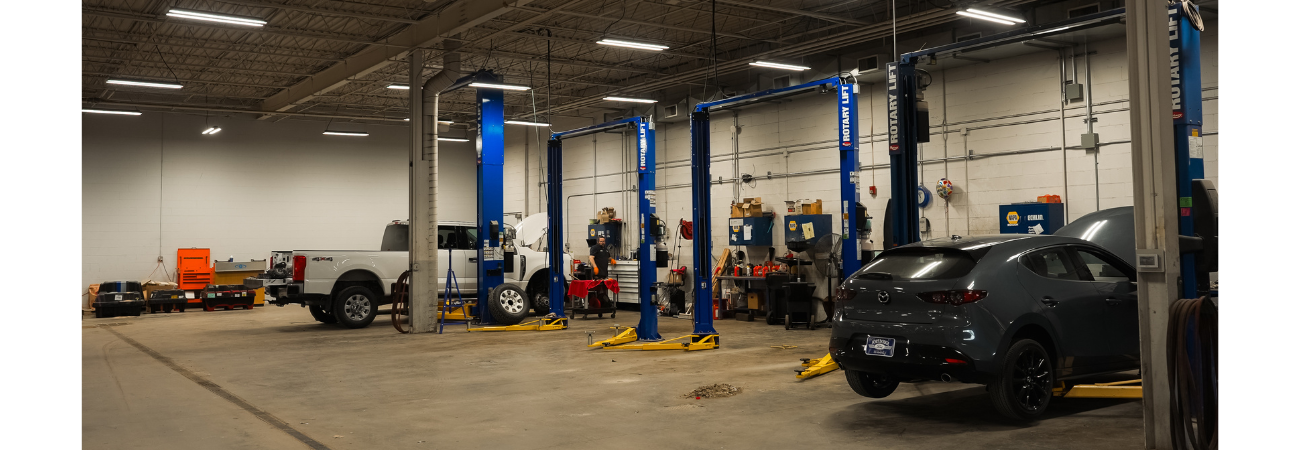
Planning ahead also helps you avoid rushed choices. If you've been searching mobile service near me because your week is packed, remember that brake work benefits from a full shop inspection on a lift. That visit can catch thin pads, damaged rotors, low fluid, or stuck hardware before the problem turns into a bigger repair.
Why local Toyota brake service can make the process easier
A trusted local service center can inspect the whole brake system in one stop, not only the pads. Technicians can measure pad depth, check rotor thickness, inspect calipers, and spot uneven wear that a quick glance can miss.
That matters because the wrong pad material or overlooked hardware can lead to noise, uneven wear, or repeat visits. For busy drivers, that makes life easier and the car safer.
A visit for Toyota certified brake service and replacement can help you get the right parts, fix the issue correctly the first time, and plan the next brake check before a warning sign becomes a bigger problem. If you like to budget ahead, service staff can also note current pad life and help estimate when the next visit will likely come up.
A little brake planning goes a long way
Most Toyota owners don't need a perfect mileage prediction. They need a solid range, a clear ear for warning sounds, and the habit of getting regular inspections before wear turns into rotor damage.
Catching brake wear early is one of the simplest ways to keep repair costs predictable. If your Toyota is nearing those mileage ranges, or you've noticed squealing, grinding, pulsing, or longer stops, schedule a brake inspection soon. A small check now is easier, safer, and usually cheaper than a surprise repair later.