


Best Toyota Trims for Teen Drivers (2026), Safety Features That Matter and What to Skip
Handing over the keys for the first time is exciting, and a little scary. Most parents start by picking a model, then get surprised by how much the trim level changes the experience. Trims don’t just add comfort items. They can change active safety tech, wheel and tire size, repair costs, and sometimes even how distracting the dashboard feels.
If you’re shopping for teen drivers in 2026, your goal is pretty simple: strong crash protection, driver aids that step in before a mistake turns into a crash, and controls your new driver can understand at a glance. The best first car also needs a price that makes sense, whether you’re thinking lease or purchase, plus insurance and tire costs you won’t regret later.
The safety features that actually help teen drivers (and the ones that just sound fancy)
A brand-new driver doesn’t need a car that feels like a spaceship. They need a car that quietly backs them up when their judgment is still developing. The most helpful safety features share one thing: they reduce the chance of a common, everyday mistake, like following too close, drifting while checking mirrors, or missing a car coming from the side.
It’s also smart to treat safety as “verify, don’t assume.” Even within the same Toyota model, features can change by model year, trim, and option package. Before you decide, confirm what’s on the exact vehicle you’re considering and ask for a walkthrough so your teen knows what the alerts look and sound like.
A good baseline is Toyota’s bundled driver-assist suite (you’ll often see it listed as Toyota Safety Sense). If you want a quick reference for what that bundle is meant to do, start with Toyota Safety Sense, then confirm which version and add-ons the trim includes.
Must-haves for 2026: automatic emergency braking, lane support, and blind spot alerts
Automatic emergency braking (AEB) is designed to detect a potential front-end crash and brake if the driver doesn’t react in time. Real life example: creeping through a busy school pickup line, your teen glances down at the speed display for a second, and traffic stops. AEB can help turn a “bump” into a near miss.
Lane support (often lane departure alert with steering assist or lane tracing assist) helps when a driver drifts toward a lane line without signaling. Real life example: on a rainy night, the teen’s hands tense up, the car wanders, and the system nudges them back before they clip the shoulder.
Blind Spot Monitor (BSM) and Rear Cross-Traffic Alert (RCTA) help spot vehicles your teen might not see in mirrors. Real life example: merging onto the highway, they check quickly and miss a fast-approaching car in the blind spot. Another example: backing out of a crowded parking lot after practice, RCTA can warn if a vehicle is crossing behind them.
What to skip for a first car: huge wheels, sporty suspensions, and distracting screens
Big wheels look sharp on the lot, but they often come with low-profile tires. That can mean a harsher ride, easier curb damage, and higher tire replacement costs when your teen meets their first pothole or parking block.
Sport-tuned trims can also be a poor match for a first car. A firmer suspension and quicker responses can feel fun, but they may encourage faster driving, and sometimes they cost more to insure.
Then there’s tech overload. A giant screen with layered menus can pull eyes off the road. For a new driver, simple beats impressive. The rule to keep in your pocket: choose comfort, visibility, and predictable handling over flash.
Best Toyota trims for teen drivers in 2026, the smart picks by model
“Best” doesn’t always mean "most expensive.” It usually means a trim that includes the safety basics, keeps wheel and tire sizes reasonable, and avoids pricey appearance extras that don’t help your teen drive better.
Below are parent-friendly trim targets. Availability can vary, so use these as a short list to compare in person.
Corolla and Corolla Hybrid: simple, efficient, and easy to park
For city driving, school runs, and tight parking lots, Corolla is a steady choice. Look first at value-focused trims, then confirm they include the driver-assist features you care about. Many parents prioritize adding BSM and RCTA when available because parking lots and multi-lane roads are where new drivers get stressed.
The Corolla Hybrid can be a great fit if your teen racks up miles for activities, work, or a longer commute. It typically drives like a normal compact car, but with fewer fuel stops. If you want to compare specs and efficiency details as you narrow choices, 2024 Toyota Corolla Hybrid is a helpful starting point, then match those ideas to the exact 2026 vehicle and trim you’re shopping.
Trim to think twice about: sport-styled versions that mainly add bigger wheels, firmer ride, or cosmetic upgrades without adding meaningful safety or visibility help.
Camry and Camry Hybrid: a calmer highway car for bigger teens and longer drives
If your teen will spend real time on the freeway, a midsize sedan can feel more settled. It often has a quieter ride and a bit more space, which can reduce fatigue on longer drives.
For trims, aim for the sweet spot that adds practical help like better visibility features and parking assistance (when offered), without jumping into luxury pricing. In other words, pay for features that help your teen place the car correctly in a lane and park cleanly, not for looks.
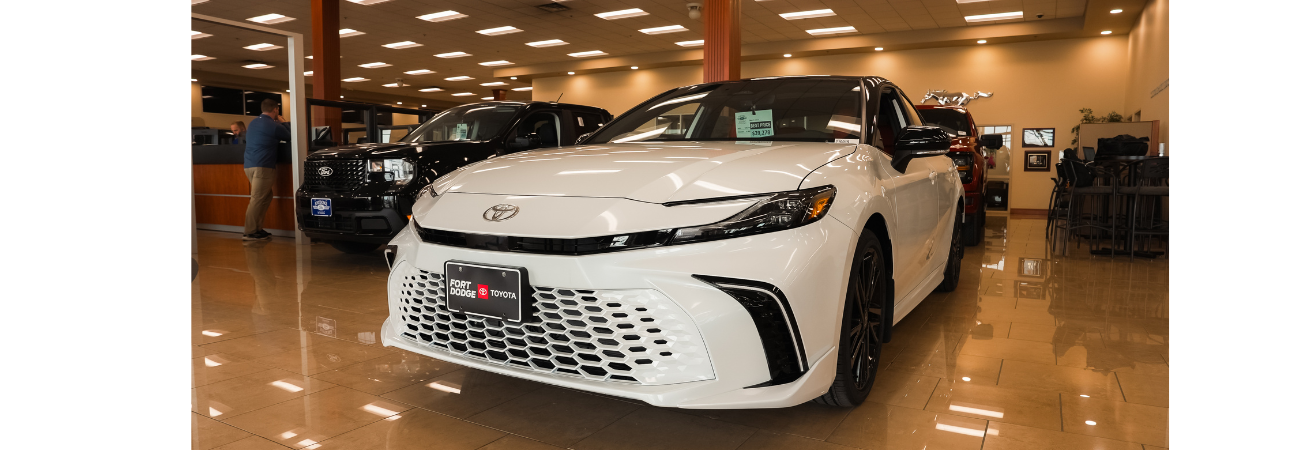
If you’re comparing hybrid highway comfort and available safety tech, 2025 Toyota Camry is worth scanning, then verify what’s included on the specific trim and VIN you’re considering.
Trim to think twice about: performance-leaning trims or appearance packages that mostly add larger wheels and higher replacement costs.
RAV4 and RAV4 Hybrid: the SUV pick when you want height and cargo room
RAV4 is popular with families for a reason. The higher seating position can improve outward visibility, and the cargo area is handy for sports gear, instruments, and weekend trips.
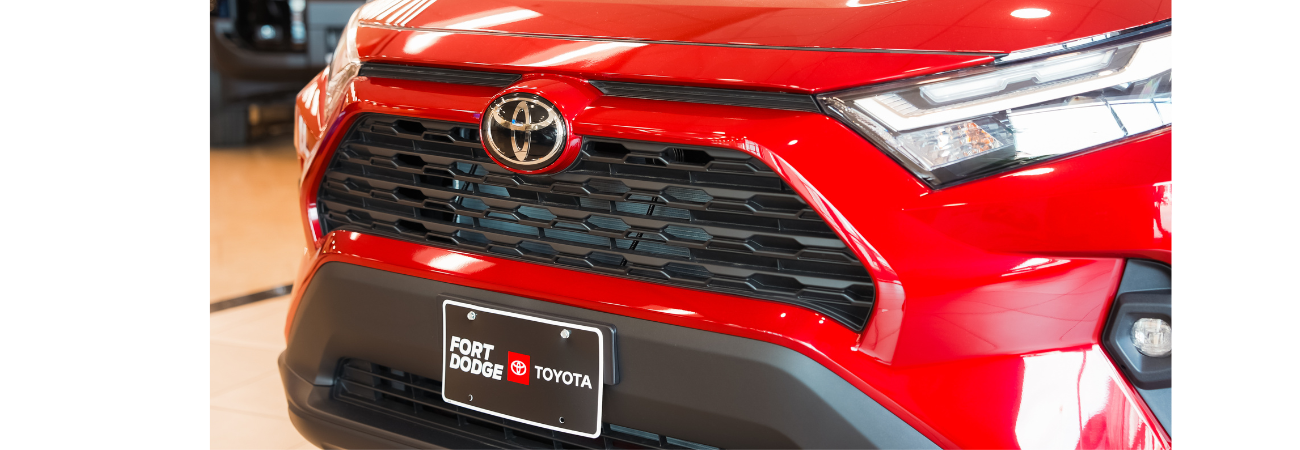
For teen drivers, prioritize trims aimed at daily comfort and on-road confidence. AWD can help in snow, especially when starting from a stop or climbing a slick hill, but it doesn’t replace good tires or safe speed. Also check for BSM and RCTA, plus any parking assist features offered on the trim, since SUVs can feel harder to place in tight spaces until a driver gets used to them.
To compare key features and AWD notes while you shop, 2024 Toyota RAV4 provides a solid overview, then confirm the 2026 trim you’re looking at.
Trim to think twice about: off-road themed or sporty-looking versions if they add price, road noise, or a firmer feel without improving day-to-day safety.
Lease or buy for a first-time driver, and how to keep the monthly payment reasonable
Leasing and buying can both work for a first car. The best choice depends on how long you plan to keep it, how many miles your teen will drive, and how much you want to control repair risk.
A lease can keep costs predictable, but you’ll need to respect mileage limits and wear-and-tear rules. Buying costs more upfront in many cases, but you can keep the vehicle longer and avoid mileage worries. Either way, trims matter because the wrong wheel and tire package can quietly raise your total cost.
When leasing can make sense for teen drivers
Leasing often means a newer vehicle with newer safety tech and warranty coverage, plus a steady payment. For busy teen schedules, that can be a relief. The catch is mileage. Sports, jobs, and activities add up fast, so estimate your annual miles honestly.
Tip that saves money: choose the trim that meets your safety needs without pricey add-ons, so you’re not paying extra every month for features your teen won’t use.
When buying is the better move (and how to avoid common first-car money traps)
Buying can be the better long-term value, especially if you want to hand the car down to a younger sibling later. You also get freedom from mileage limits, which matters when life gets hectic.
Bring this short checklist so you can decide faster:
Confirm AEB, lane support, and (if you want it) BSM and RCTA on the exact VIN.
Check seat fit and sight lines, your teen should see over the hood and sit comfortably.
Get an insurance quote for the trim you’re considering before signing.
Avoid oversized wheels, performance trims, and unnecessary packages that raise repair costs.
Conclusion
The best Toyota trims for teen drivers in 2026 aren’t the flashiest ones. They’re the trims that add real safety help, keep the ride predictable, and reduce distractions inside the cabin. Focus on AEB, lane support, and blind spot alerts when available, then skip big wheels and sporty setups that cost more to insure and maintain.
The next step is simple: compare trims in person and take a calm test drive. Visit Fort Dodge Toyota to line up a few options, talk through lease vs purchase, and match the right safety features to your budget.