


Build a Deal That Fits Your Budget
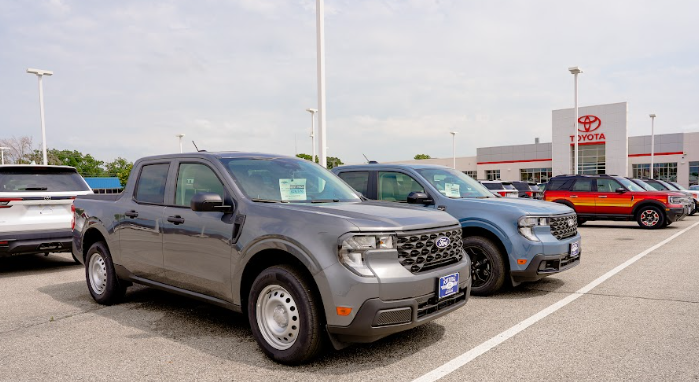
First-Time Car Buyer in Fort Dodge: Build a Deal That Fits Your Budget
Buying your first car in Fort Dodge can feel like walking into a snowstorm without a good coat. You might be excited, but you also don’t want to make a choice that leaves you cold every month when the bill is due.
If you’re a first-time car buyer, the “best deal” isn’t the lowest sticker price or the flashiest trim. It’s the deal that fits your monthly budget, the cash you can bring upfront, and the real costs you’ll pay over time (insurance, fuel, tires, repairs).
This guide keeps it simple. You’ll learn how to set a safe payment range, understand the out-the-door number, use trade-ins and down payments wisely, and compare offers at a dealership without feeling pushed.
Start with your real budget (before you shop)
Before you look at cars, look at your life. A car payment that seems fine on a calm week can feel heavy when the furnace acts up or winter driving eats through tires.
Here’s a 10-minute checklist to get clear:
- Write down your take-home pay for one month.
- List your fixed bills (rent or mortgage, utilities, phone, childcare, subscriptions).
- Check your current insurance cost or get a quick estimate for a car like you want.
- Estimate fuel based on your normal routes (work, school, family, errands).
- Set aside a small monthly “oops fund” for repairs and surprises.
This is the key mindset shift: “Can I get approved?” and “Can I afford it?” are not the same question. Approval is about the lender’s rules. Affording it is about your stress level and your options when life happens.
Fort Dodge driving has its own price tags too. Winter weather can mean better tires, more wear, and more time warming up. Many folks also have longer drives to work, appointments, or family in nearby towns, so fuel and maintenance matter more than they might in a bigger city. If you want help estimating your range, calculate how much car you can afford before you get attached to a specific vehicle.
Pick a monthly payment range that leaves breathing room
A simple method works better than a fancy formula.
- Start with your monthly take-home pay.
- Subtract fixed bills.
- From what’s left, set a car budget that still lets you save something every month.
When you build that car budget, include the full picture:
Insurance: Often higher for newer cars, sporty trims, or drivers with limited history.
Gas: Longer commutes and winter idling add up.
Maintenance: Oil changes, brakes, wiper blades, batteries.
Parking and fees: Usually small, but don’t ignore them.
“Oops fund”: A cushion for a tire, a sensor, or a surprise tow.
A lower payment is nice, but it’s not the only goal. If the payment is low because the loan is very long, you can end up paying more overall, and you may owe more than the car is worth for longer.
Know your out-the-door number and your upfront cash
The price on the window is only part of the story. The out-the-door price is the amount you’d actually write a check for (or finance). It includes the vehicle price plus taxes, fees, and any add-ons you choose.
Your down payment and trade-in value change how much you finance. That amount financed is what drives your monthly payment.
A quick round-number example:
- Out-the-door price: $24,000
- Down payment: $2,000
- Trade-in value: $4,000
- Amount financed (before interest): $18,000
When you’re comparing options, ask for a written out-the-door quote. It’s the easiest way to compare apples to apples, even if two cars have similar monthly payments.
Build the deal pieces that control what you pay
Most car deals come down to four “levers.” You can move one, or a few, to build a deal that feels safe.
Vehicle price: The starting point, and still important.
Trade-in: Can reduce what you finance, or create challenges if you owe more than it’s worth.
Down payment: Helps lower payment and reduces risk.
Financing terms: APR and loan length can change the total cost by a lot.
When you understand these pieces, the deal stops feeling like a mystery. It becomes math you can check.
Choose the right car for your budget, not just the price tag
Two vehicles can cost the same today but cost very different amounts to own.
Trim level, mileage, and features can change your monthly reality through insurance costs and repair bills. Bigger wheels can mean pricier tires. Luxury features can be great, but they can also mean more parts that might fail later.
Test drive like it’s your normal day. Try a tight turn, a rough patch of road, and a stop from city speed. If it feels solid and easy to see out of, that’s a win.
Financing basics for a first-time car buyer (APR, term, and total cost)
APR is the interest rate you pay to borrow money. The term is how long you take to pay it back.
Longer terms can lower the monthly payment, but they often raise the total paid over the life of the loan. A good rule is to choose the shortest term that fits your budget while still leaving breathing room.
Credit score matters, but it’s not the whole story. Some first-time buyers use a co-signer, and many shoppers get pre-approved so they can compare offers with confidence. If you want to see local financing options, start with Fort Dodge auto loan financing.
A small APR change can make a real difference. For example, on the same loan amount and term, an APR that’s 2 percent higher can add up to hundreds or even thousands more over time. You don’t need to memorize formulas, just keep your eyes on the total cost, not only the monthly payment.
Use trade-ins and down payments to lower risk (even if it is small)
Trade equity is simple:
- Positive equity: Your trade is worth more than what you owe, so it helps your deal.
- Negative equity: You owe more than it’s worth, so the difference may be added to the new loan.
To get your trade ready, do the basics that protect value: clean it inside and out, bring your title or payoff info, and gather receipts for recent work (tires, brakes, battery). If you want a starting point before you visit, get a trade-in appraisal value in Fort Dodge.
A down payment helps too, even if it’s modest. It can lower your payment, improve approval odds, and reduce how “upside down” you are early on. Just don’t drain your emergency savings to do it. Keeping cash on hand is part of staying comfortable after you buy.
Conclusion
A first purchase doesn’t have to feel risky. Start with your budget and pick a payment range that leaves room for normal life. Focus on the out-the-door price, learn how APR and term change the total cost, and use a trade-in or down payment to lower your risk without wiping out savings.
In Fort Dodge, the right deal is the one that stays comfortable in July and still feels manageable in January. The team at Fort Dodge Ford Toyota is here to help you navigate your first car purchase or lease with confidence and peace of mind.