


Camry vs Corolla for a 60-Mile Commute in Iowa
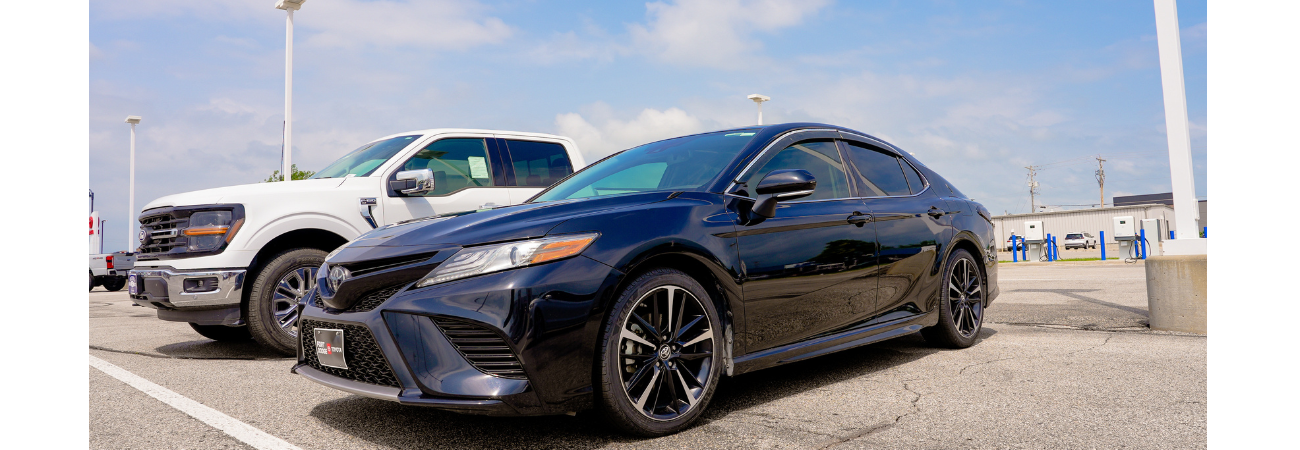
A 60-mile daily commute around Fort Dodge isn’t the same as a short hop across town. It’s highway speed, two-lane passing, wind that never seems to quit, and winter mornings where the first 10 minutes feel like you’re driving through a freezer.
So when it’s time to replace your commuter car, the choice between a Toyota Camry and Toyota Corolla gets real fast. You’re not just picking a nameplate, you’re choosing your monthly fuel bill, how tired you feel after dark, and which driver aids you’ll actually use.
If you’ve ever searched “Toyota near me” right before a test drive, you already know the goal: make a smart choice without drowning in specs. Here’s a simple breakdown with practical math, comfort points, and what to look for in driver assistance.
Fuel costs for a 60-mile commute, what you will really spend
For a long commute, fuel cost is the easiest part to estimate, as long as you use realistic inputs. Your exact mpg will vary with speed, hills, winter blends, and headwinds (Iowa loves headwinds). Cold starts and snow-packed roads can also knock efficiency down.
To keep things simple, the numbers below use planning mpg that many commuters find reasonable for mostly highway driving:
Corolla (gas): about 40 mpg
Corolla Hybrid: about 45 mpg
Camry (gas, older model years): about 36 mpg (varies a lot by year, engine, and drivetrain)
Camry Hybrid: about 48 mpg (the 2025 Camry is hybrid-only, so trim matters more than powertrain)
Sample monthly and yearly fuel cost (60 miles per workday)
Assumptions: 60 miles/day, 5 days/week (300 miles/week), gas at $3.25/gal. “Weekend add-on” assumes 80 extra miles/week for errands, kids’ activities, or a trip into Fort Dodge.
A few other cost factors that show up on long commutes:
Tires: Larger wheel packages can mean pricier tires. Sport trims can also ride firmer.
Oil changes: Follow the maintenance schedule for your specific year and engine. Your miles add up fast on a 60-mile commute.
Insurance: Rates can differ between compact and midsize sedans, and by trim.
Hybrids and highway driving: Hybrids still help on a commute, but they usually shine more in town than on steady highway.
Takeaway: Corolla (especially Corolla Hybrid) usually wins on fuel cost. The gap gets smaller when you compare a Corolla gas model to a Camry Hybrid, so comfort and driver aids may matter more than you expect.
Quick calculator, plug in your gas price and commute days
Use this every time gas jumps 30 cents overnight:
Miles per week = (commute miles per day × commute days) + weekend miles
Gallons per week = miles per week ÷ mpg
Fuel cost per week = gallons per week × gas price
Example with a $3.25 gas price and 300 work miles/week:
Corolla at 40 mpg: 300 ÷ 40 = 7.5 gallons, 7.5 × $3.25 = $24.38/week
Camry at 36 mpg: 300 ÷ 36 = 8.33 gallons, 8.33 × $3.25 = $27.08/week
Small weekly gaps turn into real money over a year.
Hybrid vs gas for mostly highway miles, is it worth it
On a steady 70 mph run, a hybrid doesn’t always pull away like it does in stop-and-go traffic. Still, hybrids can help during warm-up, rolling slowdowns, town segments, and passing where the system can blend power smoothly.
A simple rule for a Fort Dodge area commuter: if you do your commute plus regular in-town errands most weeks, hybrid tends to pay back faster. If your drive is almost all highway with very few stops, the savings can still be there, just not as dramatic.
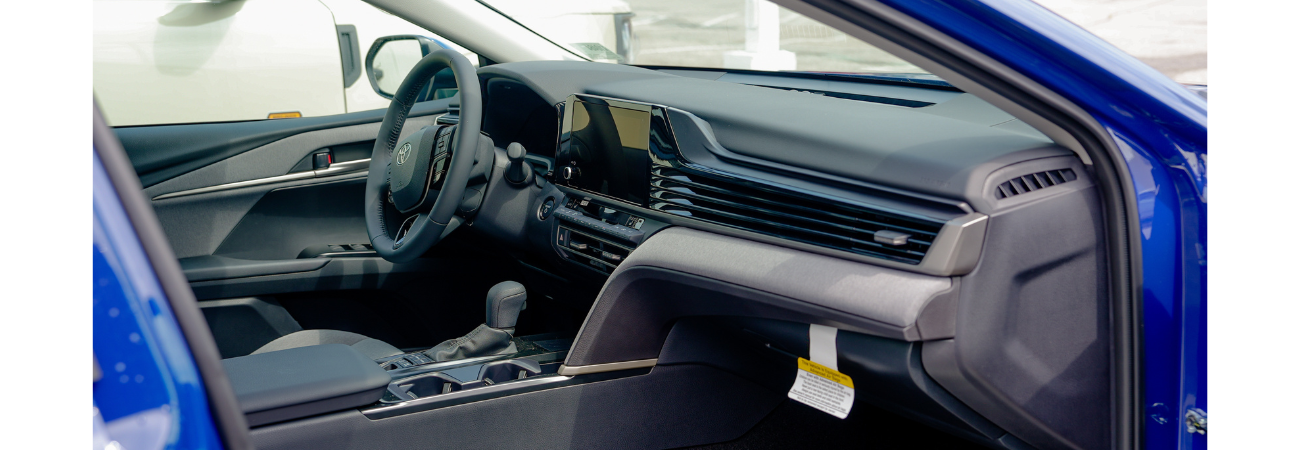
Comfort and fatigue on long rural drives, seat feel, ride, noise, and space
Fuel is only half the story. The other half is how you feel when you step out of the car after 60 miles. Over time, a slightly quieter cabin or a better seat can feel like a pay raise.
In plain terms, the Camry is midsize and the Corolla is compact. That usually means:
Seat comfort and support: Camry often feels more “chair-like” with broader cushions. Corolla seats can be very good, but the cabin is tighter.
Ride quality: A midsize sedan tends to smooth out rough two-lane pavement better, especially over frost heaves and patchwork repairs.
Noise: More insulation and a longer wheelbase often make the Camry calmer on coarse highway surfaces.
Space for life: Camry typically gives more rear legroom and an easier fit for a bulky winter coat, work bag, or sports gear.
Passing power matters too. On two-lane roads behind a grain truck, a car that accelerates with less effort can reduce stress. It’s not about racing, it’s about making clean, confident passes.
Trim choices change comfort more than many people think. A power driver seat, heated seats, and remote start can make January commutes feel less punishing. Wheel size also matters; larger wheels often look sharp, but can ride firmer.
Which feels calmer at 70 mph, road noise and ride quality
Most drivers find the Camry feels more planted at highway speed, especially when crosswinds hit open fields. The Corolla can still be comfortable and quiet enough, but it may feel lighter in gusts or when a semi blows by.
The best way to tell is boring but effective: test drive both on the same stretch of road you drive every day, at the same speed, with the same music volume.
Winter commute checklist, tires, heat, and traction confidence
A quick checklist that pays off every year:
Heated seats: They warm you faster than blasting the fan.
Strong defrost: Clear glass is safety, not comfort.
Wiper coverage and washer spray: Slush doesn’t care about your schedule.
Tires: Good all-seasons are fine for many, winter tires add confidence if your route drifts shut or ices over.
Stability and traction control: Great when wind pushes you or when you hit surprise glaze.
At similar pricing, Camry trims often include more comfort features, while Corolla trims often win on value. It comes down to what you’ll use daily.
Driver aids and safety tech for a safer daily commute, what matters and what to look for
A long commute can make your attention fade, even if you’re a solid driver. Driver aids can help, but only if you pick the features that match rural Iowa driving.
Common Toyota driver assistance features include adaptive cruise control (helps hold speed and following distance), lane assistance (helps with drifting), automatic emergency braking (can react faster than you can), blind spot monitoring (useful for passing), rear cross traffic alert (parking lots), and automatic high beams (dark county roads).
For a clear overview of the broader suite, this page lays it out well: Toyota Safety Sense technology explained.
These features connect to real commute problems:
Long straight highways: adaptive cruise reduces leg fatigue.
Two-lane passing and merging: blind spot monitoring lowers guesswork.
Meeting semis and wind: lane support can help you stay centered.
Deer at dawn and dusk: forward collision alerts can buy you seconds.
Winter visibility: auto high beams help on empty roads, but you still need clean headlights and a clear windshield.
Features vary by year and trim, so confirm the exact package on the vehicle you’re shopping. The best setup is the one you’ll actually turn on and trust.
The best features for a 60-mile commute, ranked by real usefulness
Adaptive cruise control: Helps most with fatigue on long stretches.
Blind spot monitor: Makes passing and lane changes feel safer.
Lane centering or lane assist: Helps when wind and ruts tug at the car.
Automatic emergency braking: A strong backstop for surprise stops and deer risk.

Conclusion
For a 60-mile daily commute near Fort Dodge, the Corolla usually wins on fuel cost, and the Corolla Hybrid can push that advantage further. The Camry often wins on comfort, cabin calm, and that planted feel at highway speed. That difference adds up when you’re driving in wind, snow, and darkness for months at a time.
Pick the trim with the driver aids you’ll use every day, then test drive both on your actual route if you can. When you’re searching “Toyota near me” to compare options around Fort Dodge, keep the decision simple: choose Corolla if budget and mpg lead your list, choose Camry if you want less fatigue and more space for daily life.