


Toyota Certified Pre-Owned: Learn What the Warranty Covers
Buying a used vehicle should feel like a smart move, not a gamble. For Iowa drivers, Toyota Certified Pre-Owned can add peace of mind, because it's inspected and backed by warranty coverage. Still, "certified" doesn't mean "perfect," and it doesn't replace your own eyes and questions.
Winter roads around Fort Dodge can be tough on any car. Salt speeds up rust, and potholes can knock an alignment out fast. That's why Toyota pre-owned shoppers should verify condition, paperwork, and the exact warranty terms for the specific vehicle.
Below is a practical checklist you can use on the lot, plus a clear breakdown of what the Toyota CPO warranty usually covers, and the red flags that should make you pause or walk away.
Your Toyota Certified Pre-Owned inspection checklist, what to look at before you sign
Think of this like a three-part filter: a walkaround, a real test drive, and a paperwork review. Each step catches different problems. Also, it protects your budget because small issues can turn into big repairs.
If you want to compare options as you shop, start by browsing Toyota Certified Pre-Owned vehicles so you can narrow down model years, mileage, and features before you visit.
Walkaround and under the hood: signs of rust, repairs, and hidden damage
Start outside, in good light. Look down the sides for waves in the body lines. Then check panel gaps around the hood, doors, and liftgate. Uneven gaps can point to past repairs.
Next, scan for overspray on trim or inside door jambs, plus mismatched paint from one panel to another. Cloudy headlights, cracked glass, and chipped edges on the windshield also matter, especially if you drive into low sun often.
Tires tell the truth quickly. Confirm they're the same brand and similar tread depth on all four corners (unless it's a staggered setup, which most Toyotas aren't). Also check for curb rash on wheels and bulges in sidewalls.
Now get low and look underneath. In Iowa, undercarriage rust is the big one. Pay attention to rocker panels, subframe areas, brake lines, and mounting points. Surface rust can be normal, but heavy scaling, flaking, or wet-looking patches deserve questions. Watch for fresh undercoating that looks too new, it can hide problems.
Under the hood, keep it simple:
Look for fluid leaks around the engine, coolant reservoir, and under the radiator area.
Check the battery terminals for heavy corrosion.
Inspect belts and hoses for cracks or fraying.
Look for VIN stickers on major panels (fenders, hood, doors). Missing stickers can mean parts were replaced.
A clean interior sells a car, but the underbody and tire wear tell you how it lived.
Test drive checks that reveal expensive problems fast
Try to see the vehicle on a cold start. Listen for rattles at startup, and make sure the idle settles quickly. Every warning light should turn on briefly, then turn off. If a light stays on, don't ignore it.
During the drive, aim for a route that includes a straight road, rough pavement, and a few turns. Pay attention to shift quality. A healthy transmission should feel smooth and predictable. Steering should track straight with your hands relaxed, although road crown can cause a slight drift.
Brakes should feel firm and consistent. If the pedal pulses lightly only under hard braking, that can be ABS doing its job. If it shakes during normal stops, rotors may be warped. Over bumps, listen for clunks that can point to worn sway bar links, struts, or control arm bushings.
Don't forget comfort systems. In February, strong heat and a fast defrost matter. Confirm the fan works at every speed, and test the rear defroster too. Then check wipers, washer spray, backup camera, Bluetooth, and the charging ports you'll actually use.
Here are "stop and ask" noises that deserve a clear explanation before you buy:
Knocking: can signal engine wear or low oil issues.
Grinding: often brakes, wheel bearings, or drivetrain components.
Whining: may come from power steering, bearings, or transmission parts.
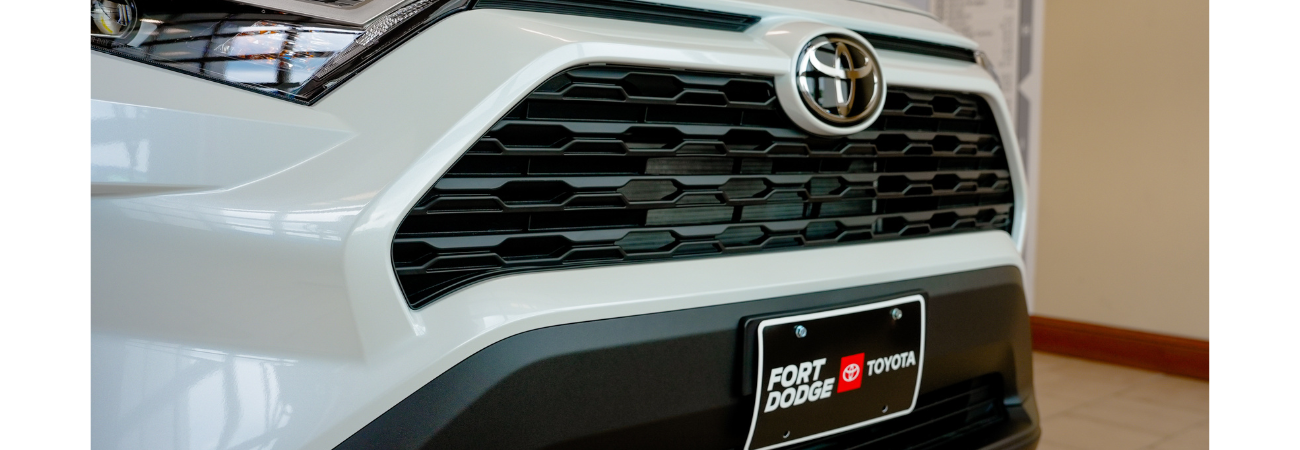
What the Toyota CPO warranty usually covers, and what it does not
Toyota Certified Pre-Owned warranty coverage is a big reason people choose CPO, but the details can vary by model year and the program terms tied to that vehicle. So, treat the warranty like a contract. Ask to see the warranty booklet, the buyer's guide, and the certification paperwork, then read the coverage and exclusions.
Also, keep maintenance records in mind. A warranty claim goes smoother when service history shows the vehicle was cared for on schedule.
To see broader options beyond CPO, compare against the dealership's pre-owned Toyota vehicles. It helps you judge whether CPO pricing makes sense for your needs.
Powertrain vs comprehensive coverage: the parts most buyers care about
Most shoppers think in two layers of protection.
Powertrain coverage usually focuses on the expensive basics that make the car move: engine components, the transmission, and drivetrain parts (like axles and differentials, depending on the vehicle). If a major internal component fails under covered conditions, this is the warranty bucket people hope they never need.
Comprehensive coverage (sometimes called "bumper-to-bumper" in casual talk) usually includes many vehicle systems beyond the powertrain. Depending on the specific program and vehicle, that can include things like air conditioning components, certain electronics, sensors, and other mechanical or electrical parts.
Toyota CPO benefits may also include items like roadside assistance and the fact that the vehicle went through a required inspection and reconditioning process. Still, confirm what's included for the exact VIN you're buying, and keep a copy of the paperwork.
Common exclusions that surprise shoppers (wear items, damage, and neglect)
Exclusions are where misunderstandings happen. Many items that wear out through normal driving aren't covered, even on a certified vehicle. That often includes tires, brake pads and rotors, wiper blades, bulbs, trim, upholstery wear, alignments, fluids, and routine maintenance.
Coverage also usually won't pay for accident damage, environmental damage (hail, flood, rodents), or problems caused by neglect. Aftermarket modifications can complicate claims too, especially if the added parts relate to the failure. If the vehicle shows a maintenance light that was "just reset," ask for receipts that match the story.
Red flags that mean you should pause, ask more questions, or walk away
A CPO badge should come with transparency. If the story doesn't match the car, or if the paperwork feels slippery, protect yourself and slow down.
If you're shopping timing-based savings, you can also check pre-owned inventory specials while you compare similar vehicles and pricing.
Vehicle red flags: when the story does not match the car
Walk away from a salvage or rebuilt title unless you fully understand the history and the long-term risks. Also watch for flood clues: musty smells, fogging inside lights, silt in the spare tire well, or heavily corroded seat bolts.
Be cautious with fresh undercoating that looks like it was sprayed last week. It may be fine, but it can also hide rust. Uneven tire wear can point to suspension wear, bent parts, or chronic alignment issues. Multiple repainted panels, missing key fobs, or interior switches that don't work should trigger more questions.
If warning lights seem suspiciously absent, ask whether codes were cleared right before your drive. A proper scan and a second test drive can save you later.
Paperwork and pricing red flags: gaps in history and add-ons you did not ask for
If the seller won't provide a history report (CARFAX or AutoCheck), don't guess. The same goes for unclear CPO documents or a refusal to show the inspection results. You're buying a vehicle, not a mystery.
Pricing should stay consistent from the quote to the final paperwork. High fees that aren't explained, last-minute add-ons, and pressure to sign before you read are all reasons to pause.
Do this instead:
Ask for the out-the-door price in writing.
Request the CPO certification documents and inspection results.
Get a second set of eyes (a trusted friend or an independent shop).
Choose a different CPO unit if answers don't add up.
The best deal is the one you can explain on paper, line by line.
Conclusion
Toyota Certified Pre-Owned can be a solid choice for Iowa driving, but you'll feel best when you verify three things: the car's condition, what the CPO warranty covers (and excludes), and whether any red flags show up in the vehicle or the paperwork. A careful walkaround, a real test drive, and clear documents protect your wallet.
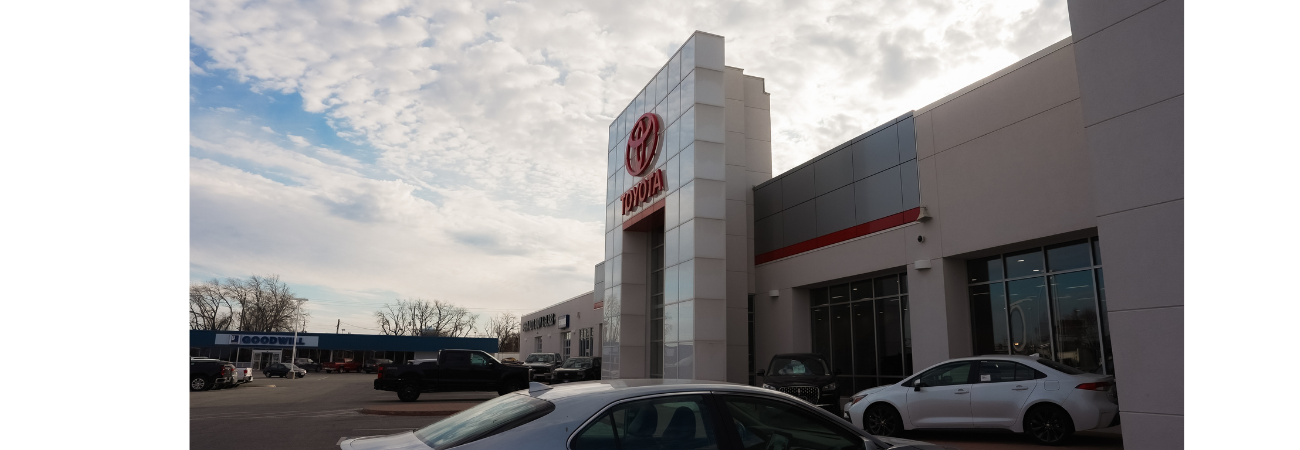
When you're ready, shop Toyota Certified Pre-Owned options with Fort Dodge Toyota, ask for the inspection paperwork, and schedule a test drive. The right CPO Toyota should feel confident, not confusing, from the first look to the final signature.