


Toyota Check Engine Light: Common Causes and When to Stop

A Toyota check engine light can feel like a small dashboard panic, especially when you're headed to work, crossing Fort Dodge, or driving an Iowa highway in bad weather. The good news is that it's an early warning, not always an emergency.
Sometimes the cause is simple, like a loose gas cap after a fill-up. Other times, your Toyota may have a misfire, sensor problem, or emissions fault that needs attention soon. What matters most is how the light behaves, how the vehicle feels, and whether it's still running normally.
That difference can save you from bigger repairs, a breakdown, and a long wait on the side of the road.
Why the Toyota check engine light comes on in the first place
Your Toyota's engine computer watches dozens of systems all the time. If it sees a problem with emissions, fuel delivery, ignition, airflow, or engine performance, it turns the light on. In plain terms, the car is telling you that something isn't working the way it should.
The hard part is that the warning can mean a wide range of problems. A loose gas cap can trigger it. So can a bad ignition coil, a failing oxygen sensor, or a serious misfire. Because of that, the light itself is only the first clue.
Steady light vs. flashing light, what each one means
A steady light usually means the problem should be checked soon, but the vehicle may still be drivable for a short distance if it feels normal. A flashing light is more urgent. On many Toyota models, a flashing light points to an active misfire that can overheat the catalytic converter and cause expensive damage. If the light is flashing, reduce speed and stop driving as soon as it's safe.
If you're on an Iowa back road or interstate shoulder, get to a safe spot and turn the engine off. Driving farther can turn a repairable problem into a much bigger one.
Why the onboard computer is so sensitive
Modern Toyota vehicles are built to catch issues early. The computer tracks things like exhaust oxygen levels, fuel trim, airflow, EVAP pressure, and catalyst performance. Even a small problem can trip the light before you notice a change behind the wheel.
That sensitivity is helpful. It often gives you time to fix a small fault before it turns into poor fuel economy, hard starts, or damaged parts.
Common Toyota check engine light causes drivers see most often
Many Toyota vehicles, including the Corolla, Camry, RAV4, Highlander, and Tacoma, share the same common warning-light triggers. Most of them fall into a few familiar groups.
Loose gas cap or EVAP leak
This is one of the most common causes, and it often happens right after refueling. If the gas cap is loose, cracked, or missing, the EVAP system can't hold fuel vapors the way it should. The computer sees that leak and turns the light on.
After you tighten or replace the cap, the light may not go off right away. It can take a few drive cycles for the system to run its self-check and clear the warning.
Spark plugs, ignition coils, and engine misfires
As mileage adds up, spark plugs wear down and ignition coils can weaken. When that happens, the engine may idle rough, shake at stoplights, hesitate during acceleration, or burn more gas than usual.
A stronger misfire can make the light flash. If your Toyota feels shaky or sluggish, don't keep pushing it. Misfires can damage the catalytic converter fast.
Oxygen sensors, mass airflow sensors, and emissions issues
These sensors help the engine measure air and fuel correctly. The mass airflow sensor tracks how much air enters the engine, while oxygen sensors monitor what comes out of the exhaust. When either one stops reading properly, the engine can run too rich or too lean.
You might notice lower gas mileage, a rough idle, or a fuel smell. A dirty air filter can also affect airflow readings and add to the problem. In addition, emissions-related faults can make the vehicle struggle to pass testing in states that require it.
Catalytic converter or fuel system trouble
Catalytic converter problems are less common than a loose cap, but they're more serious. If the converter isn't working right, your Toyota may lose power, run rough, or smell unusual from the exhaust.
Fuel system issues can cause similar symptoms. Low fuel pressure, dirty injectors, or other fuel delivery problems may trigger the light and make the engine feel weak under load. These problems need prompt diagnosis because they usually don't improve on their own.
When it is safe to drive and when you should pull over
The answer depends on two things, the light itself and the way the vehicle is acting. If the light is steady and the car runs normally, you may be able to drive a short distance to home or a repair shop. That can be reasonable for Iowa drivers who are only a few miles away.
Still, keep the trip short. Avoid hard acceleration, long highway runs, heavy loads, and extra errands until you know what's wrong.
Signs you can usually drive a short distance
These signs usually point to a lower-risk situation:
The light is steady, not flashing.
The engine starts normally and doesn't shake.
Power feels normal during light acceleration.
The temperature gauge stays in the normal range, and you don't smell fuel or see smoke.
Even then, treat it as a short-term plan. Drive gently and get it checked soon.
Red flags that mean you should stop driving
Some warning signs mean it's time to pull over:
The light is flashing.
The engine shakes hard, stalls, or loses power.
The temperature gauge rises, or you see steam or smoke.
You smell raw fuel or hear loud knocking.
Those symptoms can lead to catalytic converter damage, overheating, or a full breakdown. If any of them show up, stop in a safe place and arrange help.
What to do next if your Toyota check engine light stays on
Start with the easy check. Make sure the gas cap is tight and clicks into place. Then pay attention to how the vehicle feels on startup, at idle, and during acceleration. Write down when the light came on, whether you had just filled the tank, and any changes in fuel economy or performance.
A quick code scan can point you in the right direction, but it doesn't always tell the whole story. One code can have more than one cause, so guessing and replacing parts at random gets expensive fast. If the light stays on, let our service team inspect the vehicle, confirm the fault, and fix the real issue. If you want a simpler way to stay on top of routine care, you can also learn about prepaid vehicle maintenance.
Simple steps to take before your appointment
Don't clear the code just to turn the light off. That can hide useful information and make diagnosis harder. Instead, bring your notes, mention any strange sounds or smells, and tell the technician if the light was steady or flashing.
The more detail you share, the faster the problem usually gets pinned down.
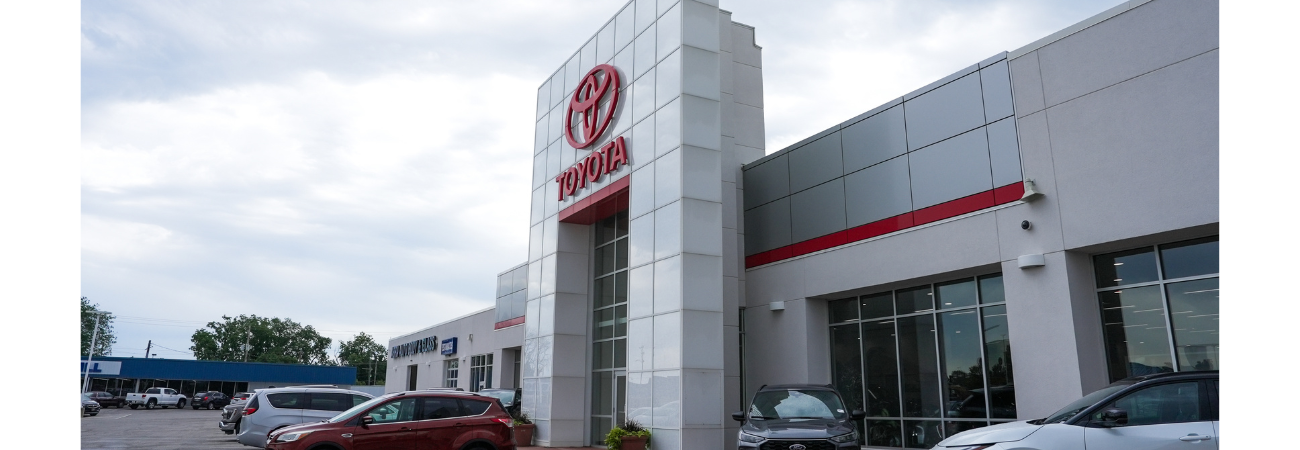
Catch the problem early and drive with confidence
A Toyota check engine light can point to something minor, or it can warn you about a problem that needs quick attention. The safest move is to watch the symptoms closely and never ignore a flashing light or a rough-running engine.
Getting the issue checked early usually saves money, stress, and downtime. When the light stays on, have it inspected so you can fix the cause and get back on Iowa roads with confidence.